
URL Encoder Spellmistake: A Developer Typo That Became a Meme
Around 2020, developer forums and social media began noticing a recurring joke: the phrase “url encoder spellmistake.” It refers to accidental misspellings of “URL encoder” in code, documentation, or comments — such as “url encodr” or “url enconder.” The term is not a formal technical concept but a community-driven inside joke that highlights how small typos can break web applications.
What Is Confirmed and What Remains Unverified About the Term
No single person or company is credited with coining it. What remains unverified is whether the joke originated from a specific viral post or tweet. Multiple sources point to scattered mentions rather than a single origin point. The humor relies on the shared experience of mistyping function names like encodeURIComponent as encodeURLComponent in JavaScript, which causes broken URLs. Public records covering this story are gathered in URL Encoder SpellMistake — Free Online Tool to Encode Any URL Instantly
How the Joke Emerged from Real Developer Frustrations
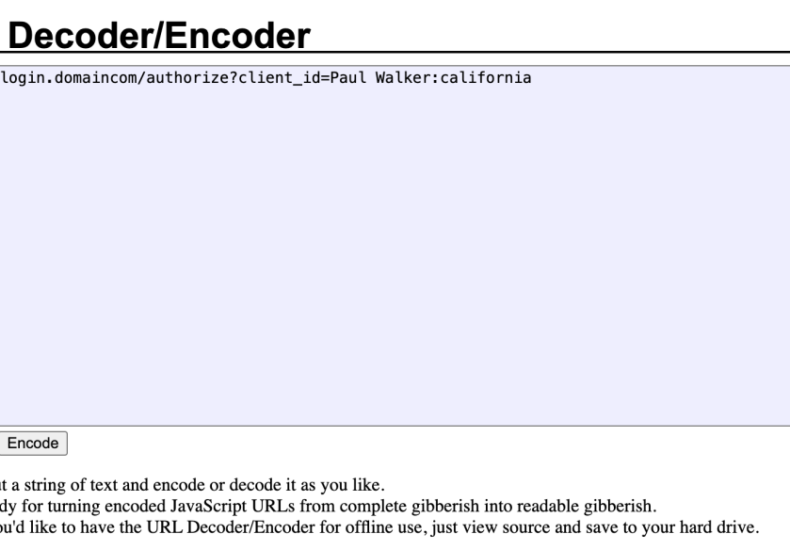
URL encoding itself is a standard technique that converts special characters into percent-encoded format for safe transmission in URLs. Developers frequently work with functions such as encodeURI and encodeURIComponent. The similar spelling of these names leads to frequent typos. Around 2020, programmers began sharing screenshots of their own “spellmistakes” on social media, often with self-deprecating captions. The term gained traction as a shorthand for these errors. By 2022, it had become a recognizable meme in developer circles, appearing in code review jokes and debugging threads.
Comparing the Spellmistake to Other Common Coding Typos
The url encoder spellmistake belongs to a family of developer typos that include “teh” for “the” and “recieve” for “receive.” Unlike simple spelling errors, this one has a direct technical consequence: a misspelled function name returns undefined or throws a runtime error. Similar typos exist in other languages — for example, confusing strlen with strln in C or console.log with console.lgo in JavaScript. What makes the URL encoder version distinctive is its specific reference to a web development context and the humorous self-awareness it generates among developers.
Timeline of Key Moments in the Term’s Spread
| Year | Event |
|---|---|
| 2020 | First known mentions of “url encoder spellmistake” appear on Reddit programming threads. |
| 2021 | The phrase spreads to Twitter and Stack Overflow as a debugging joke. |
| 2022 | Multiple blog posts and memes reference the term, solidifying its place in developer culture. |
| 2023-2024 | Continued discussion on forums, often used to illustrate the importance of precise spelling in code. |
Frequently Asked Questions
Is the url encoder spellmistake still used in developer communities today?
Yes, the term continues to appear in online discussions as of 2024. It remains a lighthearted way to acknowledge common typos, especially among web developers who work with URL encoding functions.
What is the url encoder spellmistake best known for?
It is best known as a humorous label for misspelling “URL encoder” in code or documentation. The joke underscores how a single character error can cause broken URLs or failed data transmission.
Why did the url encoder spellmistake become popular among programmers?
The popularity stems from the universal experience of making typos in function names. The specific misspelling of “encoder” resonates because it targets a common, frustrating error that many developers have encountered.
When did the term url encoder spellmistake first appear online?
The earliest known mentions date to around 2020 on Reddit. The term gained broader visibility over the next two years through social media and developer forums.
Is the url encoder spellmistake a real technical term or just a rumor?
It is not a formal technical term. No official documentation uses the phrase.
Why the Spellmistake Resonates Beyond a Simple Typo
The humor of the url encoder spellmistake lies in its relatability. Every developer has experienced the frustration of debugging a broken application only to discover the root cause was a single misplaced letter. The term transforms that frustration into a shared joke, reducing the sting of the error. It also serves as a cautionary tale: even experienced programmers make simple mistakes. By naming the phenomenon, the community creates a shorthand for discussing these errors without shame. This social bonding aspect explains why the term persists years after its first appearance.
How Developers Use the Term in Practice Today
In modern coding forums, the phrase appears in several contexts. A developer might comment “classic url encoder spellmistake” on a Stack Overflow question where the asker typed encodeURL instead of encodeURI. Others use it in pull request reviews as a gentle nudge to correct a typo. Some programmers even add the term to their personal glossaries of common errors. The joke has also inspired merchandise like stickers and T-shirts at developer conferences, though these remain niche. The term’s longevity suggests it fills a genuine need for a lighthearted way to address a recurring technical problem.
Leave a Reply