
Best Juane Near Me: Finding Authentic Peruvian Tamales in Your Area
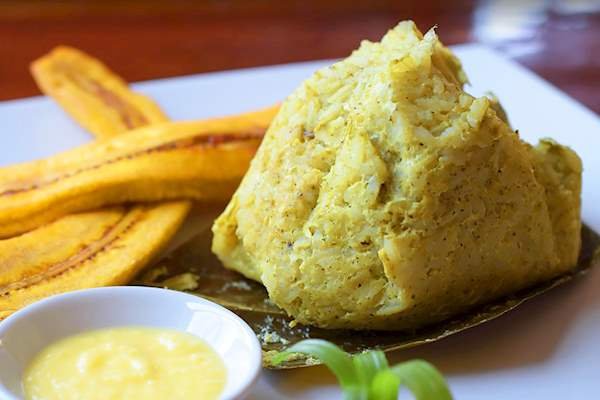
Juane is a traditional Peruvian tamale made from rice, chicken, olives, and hard-boiled egg, wrapped in bijao leaves. It originates from the Amazon region, especially Moyobamba, and is central to the Festival of San Juan on June 24. If you’re searching for the best juane near me, you’re likely looking for a dish that balances flavor and authenticity. On a related note, How to Find the Best Cocido Gallego Near Me: A Guide to Galicia's Iconic Stew adds useful context
Common Myths About Juane and What’s Actually True
Many people think juane is just a Peruvian tamale. That’s not wrong, but it misses the point. Juane is specifically tied to the San Juan festival, named after Saint John the Baptist. The name itself is a phonetic twist on “Juan.” Another misconception: juane always uses chicken. While gallina (hen) is traditional, some versions use pork or fish, especially in river towns like Iquitos. The bijao leaf wrapper isn’t just for show—it imparts a distinct earthy flavor that corn husks can’t replicate. Don’t assume all juanes are the same; regional variations exist, and authenticity matters more than convenience. Public records covering this story are gathered in Best Juane Near Me: A Complete Guide to Finding the Most Delicious Juane
Why Price and Availability Fluctuate for Juane
Juane’s cost and availability follow a seasonal pattern. During June, especially around the 24th, demand spikes. In Peruvian cities like Iquitos, street vendors and restaurants offer juanes at premium prices—sometimes double the off-season rate. Outside Peru, imported bijao leaves and authentic ingredients drive up costs. A single juane can range from $5 to $12 in U.S. cities with Peruvian communities. If you’re hunting for the best juane near me, expect to pay more during festival weeks. Some sellers freeze juanes for year-round sales, but the texture suffers. Freshness is key: look for places that make them to order or in small batches.
What “Juane” Actually Means and Why Terminology Matters
The word “juane” comes from “Juan,” the Spanish name for John. The dish is a direct reference to Saint John the Baptist. But the term is often confused with “tamale” or “humita.” Unlike Mexican tamales, juane uses bijao leaves (not corn husks) and has a wetter, more rice-heavy filling. The egg and olive inside are signature markers. Some menus list “juane de gallina” to specify chicken. If you see “juane de pescado,” that’s a fish variant from river communities. Knowing these terms helps you order with confidence. When searching for the best juane near me, check the menu description—if it doesn’t mention bijao leaves or hard-boiled egg, it’s probably not authentic.
Juane vs. Tamale: Key Differences You Should Know
Juane and tamale share a wrapped, steamed format, but the differences are stark. Tamales use masa (corn dough) as the base; juane uses seasoned rice. Tamales are wrapped in corn husks or banana leaves; juane uses bijao leaves, which are larger and more aromatic. The fillings also diverge: tamales often include pork, chile, or cheese, while juane sticks to chicken, olives, and egg. Cooking methods vary too—tamales are steamed, juanes are boiled or steamed in the leaf. Texture-wise, juane is moister and less dense. If you’re comparing options for the best juane near me, don’t settle for a tamale labeled as juane. Authentic juane has a distinct look: the leaf is tied into a neat rectangular packet, not a cylinder.
| Feature | Juane | Tamale |
|---|---|---|
| Base ingredient | Rice | Masa (corn dough) |
| Wrapper | Bijao leaf | Corn husk or banana leaf |
| Typical filling | Chicken, olive, egg | Pork, chicken, cheese, chile |
| Shape | Rectangular packet | Cylinder or square |
| Cultural origin | Peruvian Amazon | Mesoamerica |
Frequently Asked Questions
When did the tradition of eating juane during San Juan begin?
The tradition dates back to colonial times, blending indigenous Amazonian cooking with Spanish Catholic festivals. The Festival of San Juan on June 24 has been celebrated for centuries, and juane became the symbolic dish, possibly as early as the 16th century.
Is it safe to eat juane from street vendors during the festival?
Generally yes, but hygiene varies. In Peru, health inspectors monitor vendors during San Juan. Look for vendors who keep juanes hot and wrapped. If the bijao leaf looks wilted or the filling smells off, skip it. Freshly made juanes are safest.
Who is the dish juane named after?
Juane is named after Saint John the Baptist (San Juan in Spanish). The name is a phonetic adaptation of “Juan.” The dish is traditionally eaten on his feast day, June 24, which also coincides with the winter solstice in the Southern Hemisphere.
Is juane still made the same way today as it was 100 years ago?
Yes, the core recipe remains unchanged: rice, chicken, olives, egg, and bijao leaves. Some modern versions add spices like turmeric for color, but traditionalists stick to achiote. The cooking method—boiling or steaming in the leaf—hasn’t changed either.
How many calories does a typical juane contain?
A single juane can range from 400 to 600 calories, depending on size and ingredients. The rice and egg provide carbs and protein, while olives add healthy fats. It’s a filling meal, often eaten as a main dish during the festival.
Leave a Reply